
When You Hit a Wall (or the Weeds)
There’s a point in the editing process where finishing a book starts to feel strangely harder than writing one.
I think I’ve hit it.
I love this story. I love Emmy and her sisters. I love Tea & Thread and Cornell Plains and all the complicated, beautiful threads woven through this book. But right now, I’m tired of looking at it. Tired of trying to remember what changes I’ve made or ones I have yet to.
And I’ve found myself caught between two fears:
What if I keep editing so long that I never release it?
And—
What if I release it because I’m tired of editing and know it could have been better?
There’s a point in the editing process where finishing a book starts to feel strangely harder than writing one.
I think I’ve hit it.
I love this story. I love Emmy and her sisters. I love Tea & Thread and Cornell Plains and all the complicated, beautiful threads woven through this book. But right now, I’m tired of looking at it. Tired of trying to remember what changes I’ve made or ones I have yet to.
And I’ve found myself caught between two fears:
What if I keep editing so long that I never release it?
And—
What if I release it because I’m tired of editing and know it could have been better?
That second one is the one I can’t quite get over.
There is a difference between perfectionism and stewardship. I don’t believe a book has to be flawless before it goes into the world. I know it won’t be. There will definitely be be a sentence I would rewrite six months later or a scene I wish I had approached differently. But I also don't want impatience to make the decision for me.
I don't want to publish Sewn in Grace simply because I am ready to be finished with Sewn in Grace. So today I'm reminding myself that editing isn't proof that the story failed. It means I'm still fighting for it.
I'm fighting for Emmy to sound like Emmy. For each sister to feel fully herself. For the tension to land where it should. For readers to disappear into Cornell Plains instead of noticing the scaffolding I used to build it.
And maybe that means the release takes a little longer. It won’t be forever. And I’m praying that it won’t be when every single sentence I’ve poured over feels uneditable. But just long enough that when I finally press publish, I can say:
This is the story I meant to tell.
So I'm going back in, one chapter, one scene, one stubborn little thread at a time.
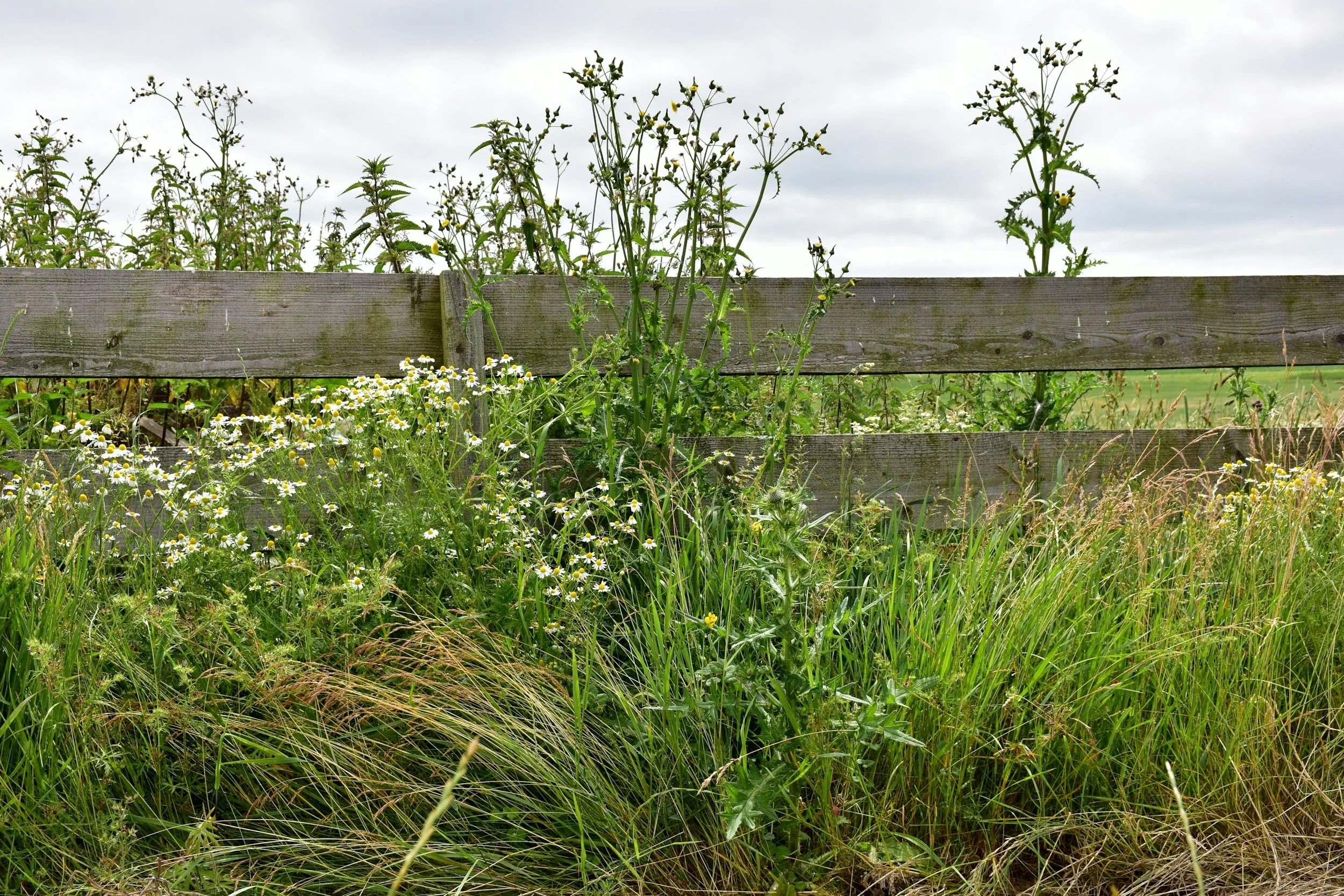
Pray for me. I’m in the WEEDS.

Grace in Ordinary Life
I think many of us spend a large portion of our lives waiting for the “important” moments. The big calling. The breakthrough. The answered prayer. The life-changing conversation. The mountaintop spiritual experience.
And while God certainly moves in profound and unforgettable ways sometimes, I’ve noticed that much of life is not lived on mountaintops. Most of life unfolds in ordinary rhythms: laundry piles, grocery lists, school drop-offs, dishes in the sink, conversations in the car, work deadlines, evening walks, quiet prayers muttered under exhausted breaths, and the repetitive routines that make up everyday existence.
I think many of us spend a large portion of our lives waiting for the “important” moments. The big Calling. The breakthrough. The answered prayer. The life-changing conversation. The mountaintop spiritual experience.
And while God certainly moves in profound and unforgettable ways sometimes, I’ve noticed that much of life is not lived on mountaintops. Most of life unfolds in ordinary rhythms: laundry piles, grocery lists, school drop-offs, dishes in the sink, conversations in the car, work deadlines, evening walks, quiet prayers muttered under exhausted breaths, and the repetitive routines that make up everyday existence.
For a long time, I think many Christians unintentionally divided life into categories: sacred moments and ordinary moments. Church felt sacred. Bible studies felt sacred. Mission trips felt sacred. But folding towels and matching socks? Making lunch for the one-millionth time? Answering emails? Sitting in traffic? Yeah- those felt completely insignificant by comparison.
Yet the more I read Scripture, the more I realize God seems remarkably comfortable entering ordinary places. He meets Moses in the wilderness while tending sheep. David while shepherding. Disciples while fishing. Women while baking, drawing water, grieving, hosting meals, and caring for families.
Jesus spent an astonishing amount of His earthly ministry around tables. Eating meals with people from the wrong side of the tracks. Walking dusty roads from one town to the next while chatting with other travellers. Sitting in homes to teach a lesson. Cooking breakfast over a fire after the resurrection, while watching His disciples try to go to their previous vocations. Some of the holiest moments in Scripture happened in profoundly unremarkable settings.
That changes the way I think about daily life.
Because maybe grace was never meant to exist only in dramatic spiritual moments. Maybe grace was always designed to meet us in the smack dab in the middle of ordinary life itself.
I think this matters deeply, especially for women.
So many women spend their days doing unseen work. Staying late in the office to wrap everything up. Driving to nieces and nephew’s sporting and musical events. Dropping everything to care for children. Managing homes. Supporting others emotionally. Running errands. Checking homework. Cleaning kitchens. Responding to everyone’s needs all day long. And because much of that work is repetitive and rarely applauded, it becomes easy to feel spiritually invisible inside it.
But ordinary faithfulness matters to God. Deeply. The Kingdom of God often grows quietly, almost imperceptibly, through small repeated acts of love. Like in a mother comforting a frightened child or a friend answering the phone late at night. It can look like groceries delivered during a grieving period, a woman choosing patience when exhausted or a whispered prayer while driving.Or it can look like an exhausted couple trying again tomorrow.
These moments may never look impressive on social media, but God sees them. And I think grace often lives in those moments more than we realize.
Honestly, some of the most spiritually formative seasons of my life have looked painfully ordinary from the outside. There were no dramatic moments. No lights or cameras. No voice from the sky. Just a solid cry in the shower. A choice to not snap at one of my children when they were being difficult or to love my husband when he was acting unlovable. Learning to trust God in routines that felt repetitive and hidden (honestly, this one is still hard for me).
But over time, I realized something beautiful: ordinary life is not separate from spiritual formation. Ordinary life is where spiritual formation often happens.Patience is formed in interruptions. Gentleness is formed in relationships. Perseverance is formed in long seasons. Compassion is formed through caring for people repeatedly. Trust is formed in daily dependence, not merely dramatic moments of crisis. Even our longing for peace often emerges in ordinary spaces: warm kitchens, evening light through windows, tea shared with a friend, gardens slowly blooming after winter, pulling weeds to clear a garden bed, and conversations that linger after everyone should have gone home. Maybe that’s why I’m so drawn to stories rooted in ordinary life.
The Sewn Sisters Series is filled with small moments because I think those moments matter. Tea being poured. Pies being baked. Women sitting at tables with warm mugs in hand. Children interrupting conversations. Friends stopping the conversation briefly to pray over one another quietly in kitchens. These are not filler moments to me. They are deeply human moments. Sacred moments, even if they don’t initially appear that way.
I think modern culture often trains us to chase bigger, louder, faster lives. But grace tends to move differently. Grace slows us enough to notice what was already there. Like the warmth of home or the gift of friendship. Grace can be found in the beauty of forgiveness and the holiness hidden inside caregiving. Grace is in the quiet dignity of ordinary work, or in the kindness of shared meals. For some, it can look like the mercy of another sunrise.
Sometimes I wonder if we miss God because we are constantly waiting for Him to appear somewhere more dramatic. (At the Behold Collective, we call this small moments that creep up on you “Behold Moments.”) Meanwhile, He is already present in the ordinary rhythms we are rushing past.
The older I get, the more convinced I become that a meaningful life is not usually built through constant extraordinary moments. It is built through thousands of ordinary moments surrendered slowly to God over time. And perhaps that is one of the most comforting truths of all.
You do not need a glamorous life for grace to find you. Grace has always been comfortable in ordinary places.
grace in ordinary life, everyday faith, finding God in ordinary moments, Christian encouragement for women, Meg Elizabeth Brown, faith in daily life, Christian reflections on ordinary life, grace and everyday living, spiritually grounded living, Christian women’s encouragement, faith-filled encouragement, Christian blog for women, slow and intentional living, ordinary life and spiritual formation, Christian motherhood encouragement, everyday grace, Christian lifestyle blog, spiritually meaningful living, women’s faith journey, quiet faithfulness, grace-filled living, Tea & Thread themes, cozy faith writing, emotionally grounded Christian writing, finding beauty in ordinary life, Christian reflections on motherhood, spiritual formation in daily life, Christian encouragement blog, ordinary moments with God, women and faith, peaceful Christian living, faith and friendship, Christian storytelling, restorative Christian writing, meaningful Christian living, grace and healing, slow faith movement, Christian women’s community, everyday discipleship, sacred ordinary moments
Faith, Fiction, and the Longing for Something Slower
Over the past few years, I’ve noticed something interesting happening in the reading world.
On one hand, books have become increasingly fast, intense, emotionally explosive, and highly sensual. “Spicy” fiction has become so normalized that many readers almost expect explicit content as part of modern storytelling now. Entire marketing categories revolve around tropes, tension, and escalating romantic intensity. And honestly, sometimes it feels like stories are competing to see how shocking, addictive, or emotionally overwhelming they can become.
But quietly, underneath all of that noise, I think another movement is happening too.
Over the past few years, I’ve noticed something interesting happening in the reading world.
On one hand, books have become increasingly fast, intense, emotionally explosive, and highly sensual. “Spicy” fiction has become so normalized that many readers almost expect explicit content as part of modern storytelling now. Entire marketing categories revolve around tropes, tension, and escalating romantic intensity. And honestly, sometimes it feels like stories are competing to see how shocking, addictive, or emotionally overwhelming they can become.
But quietly, underneath all of that noise, I think another movement is happening too. People are growing tired. They’re tired of cynicism, emotional chaos and of relationships that feel disposable. They’re exhausted of stories that confuse intensity for intimacy and of narratives that leave them emotionally exhausted rather than deeply nourished. And I think many readers, especially women, are beginning to rediscover a longing for something slower, steadier, gentler, and more meaningful. They’re yearning for something deeper, something that goes beyond the surface-level, shallow, and emotionally flat. They’re wanting something with roots that run deep, stories that breathe, and narratives where relationships unfold gradually (more realistic to real life). Women are wanting stories were emotional intimacy matters as much as physicial attraction, if not more. Stories where people are transformed over time instead of instantly consuming one another.
I think that longing says something important about us.
Because at its core, fiction shapes our imagination.
The stories we consume do not simply entertain us; they disciple our hearts in subtle ways. They shape what we believe love looks like. What relationships should feel like. What is normal. What is desirable. What is worth pursuing. Stories become emotional liturgies, quietly training our desires over time. And while I don’t think every book must look the same, I do think many readers are beginning to realize that endless emotional escalation often leaves them emptier, not fuller.
There’s a reason “cozy” fiction has exploded in popularity recently. Readers are gravitating toward stories centered around community, healing, found family, restoration, meaningful relationships, small towns, baking, gardening, tea shops, handwritten letters, and slower rhythms of life.
I don’t think this is escapism alone. I think we’re hungry. For beauty… goodness… tenderness… relationships that feel safe, faithful, and lasting… and for stories were people are seen beyond their physical bodies and straight into their souls.
And honestly, I think faith has something deeply important to say into that longing.
Christian storytelling, at its best, has never merely been about avoiding explicit content or being “hush-hush” about the reality of life. Just open your Bible, and it’s full of trauma, sin patterns, and bad choices. It’s about presenting a fuller vision of humanity. A deeper vision of love. A truer vision of redemption. Faith-filled fiction has the opportunity to remind readers that intimacy is not built solely through chemistry or physical tension. Real intimacy is formed through sacrifice, consistency, forgiveness, trust, vulnerability, safety, and presence.
Real intimacy is demonstrated through staying. Through choosing one another repeatedly. Through grace. That kind of love may not always feel flashy in modern culture, but I think many readers are starving for it.
It’s part of why I wrote the Sewn Sisters Series the way I did.
I wanted relationships to unfold slowly and organically. I wanted the emotional lives of the characters to matter. I wanted conversations around kitchen tables to carry as much weight as dramatic moments. I wanted motherhood, friendship, marriage, grief, trauma, and faith to feel honest and grounded. I wanted readers to feel held by the story rather than emotionally wrung out by it.
And perhaps most importantly, I wanted to create a world where tenderness still existed. A world where people care for one another. A world where community matters and healing is possible. I wanted to show the world where beauty is found in ordinary life.
That doesn’t mean the Sewn Sisters Series avoids hard things. Quite the opposite, actually. These books wrestle with trauma, shame, fear, marriage struggles, grief, exhaustion, identity, and emotional wounds. But the goal is never darkness for darkness’ sake. The goal is restoration. Hope. Grace. The quiet belief that broken things can still be rewoven beautifully.
I think many readers are rediscovering that fiction does not need to be emotionally numbing or hyper-sensual to feel powerful. Sometimes the stories that stay with us longest are the ones that remind us what goodness feels like again. The ones that slow our breathing. The ones that make us want to call a friend and say, “You HAVE to read this book!” It’s the books that make us want to do things like bake bread, light a candle, pray, rest, or love people more gently.
Maybe that’s part of the deeper yearning underneath this cultural shift toward cozy, faith-filled, emotionally grounded fiction. I’m not merely a rejecting of “spice,” but I’m embracing a longing for peace, rootedness, and for stories that remind us that there is still beauty, tenderness, faithfulness, and grace left in the world.
cozy Christian fiction, faith and fiction, Christian women’s fiction, emotionally grounded fiction, wholesome fiction for women, slow burn Christian fiction, faith-filled fiction, Christian contemporary fiction, cozy faith fiction, emotionally rich Christian fiction, books without spice, Christian fiction author, Meg Elizabeth Brown, Sewn Sisters Series, wholesome women’s fiction, books about grace and healing, stories about faith and community, emotionally safe fiction, gentle Christian fiction, books about meaningful relationships, cozy small town fiction, Tea & Thread, Christian fiction for women, books about healing and belonging, faith-centered storytelling, restorative fiction, Christian fiction with strong female characters, stories about tenderness and grace, Christian fiction and culture, emotionally nourishing fiction, books for women seeking peace, clean Christian fiction, books about friendship and faith, slow and steady romance fiction, Christian fiction about community, books with emotional depth but no spice, comfort reads for Christian women, books like Jan Karon, inspirational Christian fiction, stories about rootedness and healing
The Healing Power of Community
I think one of the greatest lies many women quietly believe is this:
“If I can just hold everything together on my own, then I’ll finally be okay.”
We don’t usually say it out loud, of course. Most of us would probably even disagree with it if someone asked directly. Yet somehow, so many women still live as though healing is supposed to happen privately. We isolate when we’re hurting. We withdraw when we’re overwhelmed. We convince ourselves that we’re burdens when we struggle. We smile while unraveling internally because we fear becoming “too much” for the people around us.
And over time, loneliness starts to feel normal.
I think one of the greatest lies many women quietly believe is this: “If I can just hold everything together on my own, then I’ll finally be okay.”
We don’t usually say it out loud, of course. Most of us would probably even disagree with it if someone asked directly. But do we really? Disagree? Do our actions show that we believe it?
Yet somehow, so many women still live as though healing is supposed to happen privately. We isolate when we’re hurting. We withdraw when we’re overwhelmed. We convince ourselves that we’re burdens when we struggle. We smile while unraveling internally because we fear becoming “too much” or “not enough” for the people around us.
And over time, loneliness starts to feel normal.
But when I read Scripture, I see something very different. Quite the opposite in fact.
Our World: Created for Relationship
From the very beginning, humanity was created for relationship. God Himself exists in eternal relationship: Father, Son, and Spirit. They worked together to create the universe we now find ourselves in. The Garden was built with connection in mind. God literally wanted to walk with humanity in the Garden He planted. When the human was lonely, it was the first time, God said, “This is not good,” and He created a delivering ally to rescue the human from his loneliness. The early Church gathered around tables, in homes, sharing meals, prayers, possessions, burdens, and lives. Throughout Scripture, healing and formation often happen in the context of community, not isolation.
Somehow, though, life on this side of the Garden has discipled many of us into self-protection instead. I am guilty of this very thing.
We keep people at arm’s length. We say “I’m fine” when we aren’t. We avoid vulnerability because we fear rejection. We carry things that were never meant to be carried alone. And the heartbreaking part is that many women are deeply surrounded and still profoundly lonely.
Community the Way God Intended
I think this is one reason spaces of honest community feel almost sacred when we encounter them. When someone truly listens. When someone notices we’re struggling before we say it aloud. When a friend drops off a meal without asking for any explanations. When someone sits beside us in grief instead of trying to fix it quickly. When laughter and the sun returns after a long season of heaviness. Those moments may look ordinary on the outside, but they often become part of how God heals people.
I’ve seen this in my own life over and over again.
Some of the most transformative spiritual moments I’ve experienced did not happen during large conferences or emotional altar calls. They happened around kitchen tables. On couches. During long conversations over coffee and tea. In group texts asking for prayer. In tears shared quietly between women who finally stopped pretending they were okay.
That kind of community doesn’t usually look impressive from the outside. In fact, it often looks painfully ordinary. But I think Eternity pays attention to ordinary faithfulness far more than we realize.
The older I get, the more I’m convinced that healing is often deeply relational. Not because people replace God, but because God frequently works through people. Through presence. Through encouragement. Through accountability. Through wisdom. Through comfort. Through practical help. Through being seen and known.
There’s a reason isolation is so dangerous when someone is suffering. It distorts perspective and magnifies shame. It often convinces us we are alone in struggles that are actually deeply human. Community, however, gently interrupts those lies.
It reminds us:
“You are not crazy.”
“You are not failing alone.”
“You are still loved here.”
“You do not have to carry this by yourself.”
That kind of reminder can become life-giving and life-saving.
Longing to Be A Part of Something
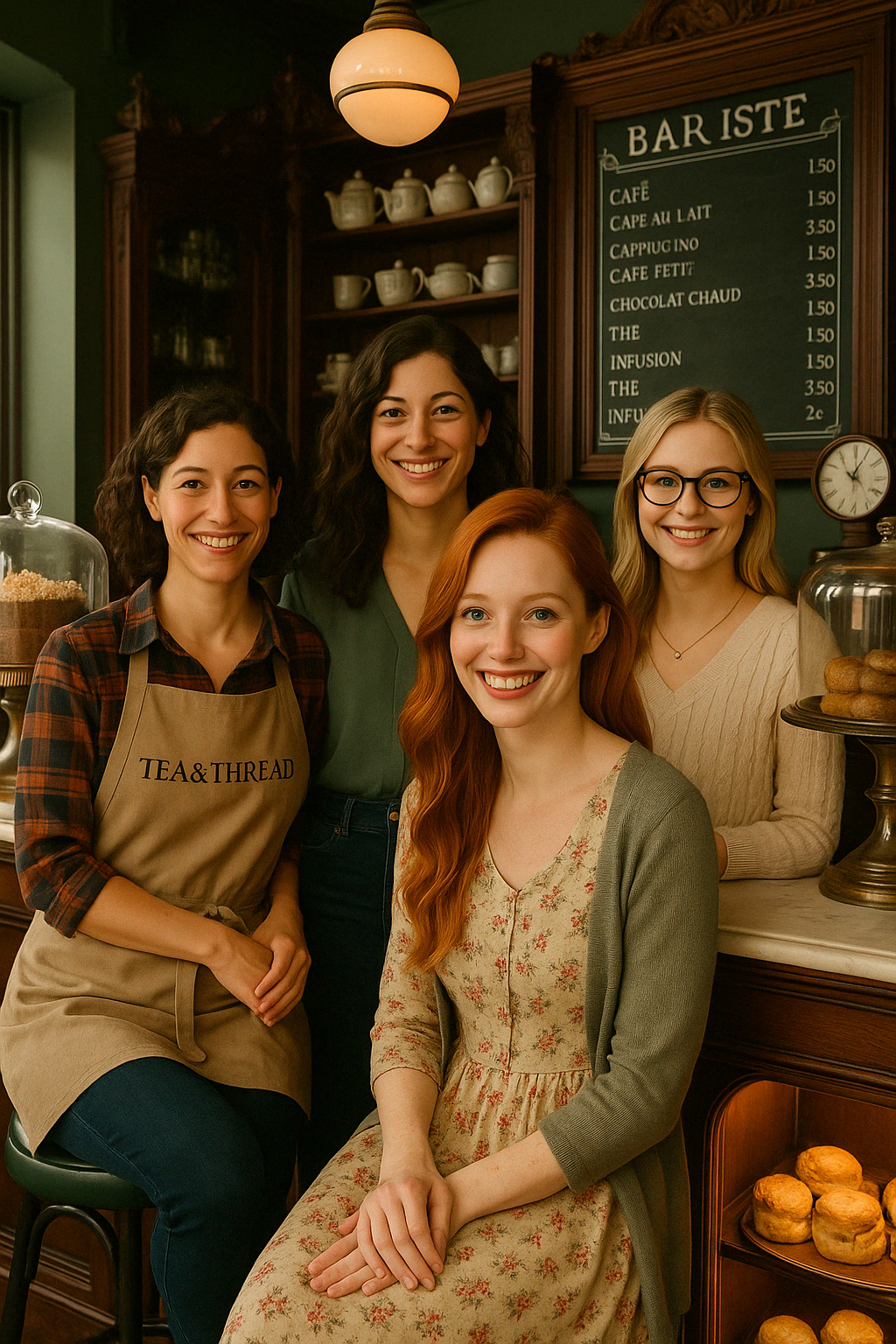
I think this is part of why I’m so drawn to stories centered around women gathering together. Around tables, shops, homes, porches, studies, gardens, and shared spaces. It’s also part of why Tea & Thread became such an important setting in the Sewn Sisters Series. The tea shop was never just about tea or aesthetics. It became symbolic of the kind of place many people are longing for: a place where they can arrive weary and still be welcomed warmly. A place where people don’t have to earn belonging before they receive it. A place where grace has a seat waiting at the table.
Of course, community is not always easy. Real community requires vulnerability, honesty, forgiveness, humility, and consistency. People disappoint each other. Misunderstandings happen. Conflict exists wherever humans exist. But I think many of us still underestimate how much healing can happen when people choose to remain present with one another through those difficulties instead of immediately retreating.
Sometimes the most healing words aren’t profound at all.
Sometimes healing sounds like:
“I’m here.”
“You don’t have to explain.”
“I’ll sit with you.”
“Let me help.”
“You can rest.”
Jesus in Community
There’s something deeply Christlike about staying. Jesus consistently moved toward people in their pain. He ate at tables. He entered homes. He touched lepers. He wept with grieving friends. He restored people relationally, not just spiritually. Even after the resurrection, He often revealed Himself in ordinary shared moments: walking alongside people, cooking breakfast, breaking bread.
That matters to me. Because I think many women are exhausted from trying to survive life alone while pretending they’re thriving. And maybe part of healing begins when we finally allow ourselves to be known. Not as our most polished and impressive selves, nor when we’re endlessly capable. But when we’re honest.
There is healing power in community because there is healing power in being seen and loved without having to perform for it. And I think that kind of grace changes people slowly, deeply, and beautifully over time.
healing power of community, Christian community for women, faith and friendship, Meg Elizabeth Brown, women supporting women, Christian women’s encouragement, healing through community, biblical community, women’s discipleship, Christian encouragement blog, grace and healing, emotionally healthy relationships, Christian women’s ministry, authentic Christian community, faith-filled encouragement, women and loneliness, Christian friendship, emotionally grounded faith writing, spiritual healing through community, vulnerability and healing, Christian encouragement for women, women’s faith journey, gospel-centered relationships, relational discipleship, Christian blog for women, community and belonging, healing and grace, women’s spiritual growth, biblical encouragement for women, emotionally rich Christian writing, Tea & Thread themes, faith and emotional healing, Christian women’s blog, spiritually formative relationships, women’s ministry encouragement, honest Christian living, kingdom community, women of faith encouragement, Christian reflections on friendship, healing in relationships

Who is Emmy Montgomery?
From the beginning of the Sewn Sisters Series, Emmy carried a quiet weight to her. Even before I fully understood her story, I understood her heart. She was the woman noticing everyone else’s needs before her own. The woman holding everything together while quietly unraveling beneath the surface. The woman who looked capable to everyone around her, yet secretly wondered how much longer she could keep carrying it all.
And honestly? I think many women will recognize themselves in her.
Emmy fully came alive on Novemeber 30, 2024. My good friend, along with her daughter, were out on Small Business Saturday, trying to gather some good deals before the Christmas rush. We popped into a local tea shop for afternoon tea and scones. Amidst the scuffle and business of the afternoon rush, I watched as a character who had never existed, walked right into my mind and out into the world around me.
It was as though she had always existed though. As though she was all of me and none of me (at the same time).
From the beginning of the Sewn Sisters Series, Emmy carried a quiet weight to her. Even before I fully understood her story, I understood her heart. She was the woman noticing everyone else’s needs before her own. The woman holding everything together while quietly unraveling beneath the surface. The woman who looked capable to everyone around her, yet secretly wondered how much longer she could keep carrying it all.
And honestly? I think many women will recognize themselves in her.
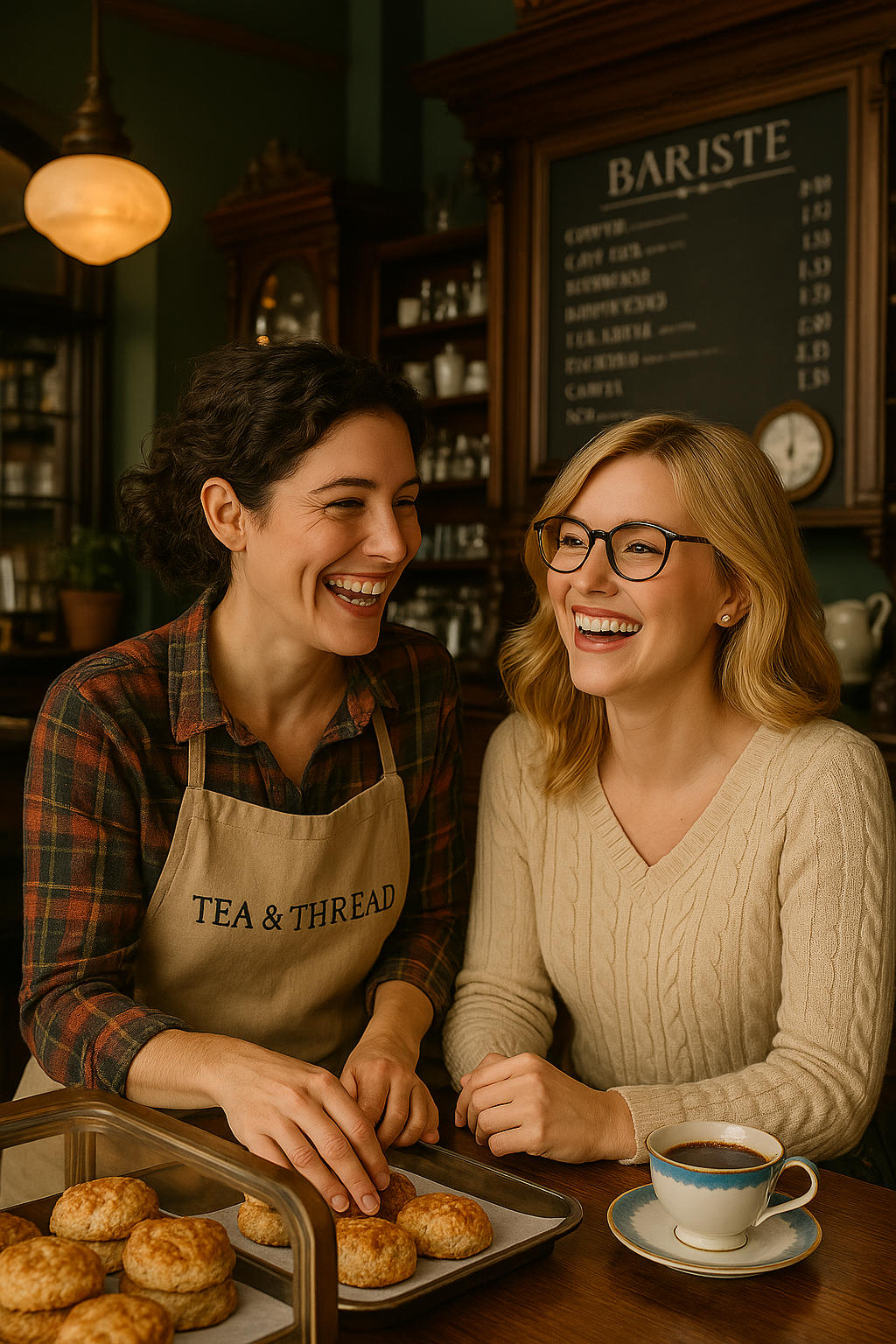
Emmy is the heart of Sewn in Grace, the first book in the Sewn Sisters Series. She’s a wife, mother of four, doctoral student, and co-owner of Tea & Thread, the cozy tea shop she runs alongside her sisters-in-law. She loves gardens, old books, warm tea, vintage overalls, handwritten notes, and creating spaces where people feel safe and known. She notices the tiny details other people miss: the tension in someone’s voice, the exhaustion hidden behind a smile, the emotional shifts in a room before anyone says a word.
But Emmy’s story isn’t just about creating beauty. It’s about what happens when a woman who has spent years caring for everyone else begins reaching the edge of her own strength (and maybe somewhat due to perimenopause).
At the center of Emmy’s story is motherhood, especially her relationship with her adopted daughter, Lucy. Lucy carries deep trauma from her early infanthood, and Emmy is constantly navigating the exhausting emotional tension of loving a child whose wounds often push love away. That part of Emmy’s story was deeply important to me. Why? Because I’ve lived it.
I wanted to portray motherhood honestly: beautiful, sacred, exhausting, heartbreaking, holy, and sometimes painfully isolating. Emmy loves fiercely, but she’s also tired. She feels guilt. Fear. Frustration. Shame for not handling everything perfectly.
And yet she keeps showing up.
That’s Emmy.
She’s compassionate and nurturing, but she also quietly suppresses her own needs until the pressure begins to crack through the surface. Her faith matters deeply to her, but during difficult seasons, even her relationship with God feels strained beneath the weight she carries. Still, she continues moving toward people, her community, and her family. She runs after grace and pursues healing, despite the weight of it all.
One of my favorite things about Emmy is that she doesn’t feel flashy or dramatic to me. She feels real. She’s the kind of woman many people overlook because she’s too busy making sure everyone else is okay.
She’s the mom reheating her coffee three times (and maybe sometimes four). The woman quietly praying while folding laundry. The friend answering texts late at night. The wife trying to reconnect after emotionally exhausting days. The woman smiling at church while privately wondering if she’s failing.
But beneath all of that is extraordinary strength. Her strength isn’t loud, and often it’s missed by what the world would define as strong. But it’s steady, endurant, strength. The kind built through ordinary acts of love repeated over and over again. A kind of strength and love that the Bible refers to as hesed (loyal love/steadfast love).
Visually, Emmy carries a warmth that mirrors her personality. She has a blonde bob, freckles, expressive green eyes, glasses, and a soft vintage style that feels equal parts chic librarian and garden keeper. She can’t keep her emotions off of her face. She wears cardigans, overalls, worn boots, and layered textures that make her feel approachable and grounded. She belongs in spaces filled with books, plants, tea steam, old wood, and winter light.
In many ways, Emmy became the emotional anchor of the Sewn Sisters Series because she represents something I think many women deeply need to hear:
You do not have to hold everything together alone.
That truth sits at the center of her entire story. And maybe that’s why I love her so much. Because Emmy reminds us that grace often meets us not in perfection, but right in the middle of our unraveling.
Emmy Montgomery, Emmy Vail, Sewn Sisters Series, Meg Elizabeth Brown, Meet Emmy Montgomery, Christian women’s fiction, faith-filled fiction, emotionally rich fiction, women’s fiction protagonist, Christian fiction about motherhood, adoption and trauma fiction, grace-filled fiction, Tea & Thread, cozy Christian fiction, small town Christian fiction, books about sisterhood, Christian contemporary fiction, books about healing and grace, faith and motherhood fiction, Christian fiction author, women supporting women fiction, stories about identity and healing, Christian fiction with strong female characters, emotionally grounded fiction, wholesome Christian fiction, Christian novels about family, books like Karen Kingsbury, inspirational fiction for women, character spotlight Emmy Montgomery, women’s fiction about faith and family, stories about grace and restoration, Christian fiction book series, cozy faith fiction, motherhood and healing fiction, emotionally layered Christian fiction
Books to Read If You Love Cozy Christian Fiction (While Waiting for Emmy’s Story)
If you love cozy settings, emotionally rich characters, small-town charm, faith-filled themes, and stories that feel like a warm cup of tea on a rainy afternoon… this list is for you.
One of the questions I’ve been asked most while writing Emmy’s Story is:
“What books feel similar to the Sewn Sisters Series?”
If you love cozy settings, emotionally rich characters, small-town charm, faith-filled themes, and stories that feel like a warm cup of tea on a rainy afternoon… this list is for you.
One of the questions I’ve been asked most while writing Emmy’s Story is: “What books feel similar to the Sewn Sisters Series?”
And honestly, that question makes me smile every single time because the stories that inspired the emotional atmosphere of Emmy’s Story are the kinds of books readers carry close to their hearts for years.
The Sewn Sisters Series lives somewhere between cozy Christian fiction, emotionally grounded women’s fiction, and relational stories about healing, faith, family, and community. So if you’re waiting for Sewn in Grace to release, here are some beautiful books to curl up with in the meantime.
1. At Home in Mitford by Jan Karon
If you love:
charming small towns
faith woven naturally into everyday life
comforting atmosphere
lovable community dynamics
…you’ll probably adore Mitford.
Jan Karon’s books carry the same warmth and relational pacing that inspired parts of Tea & Thread. These stories remind readers that ordinary life can still hold extraordinary grace.
2. The Prayer Box by Lisa Wingate
This book beautifully blends emotional depth, healing, and faith with a strong sense of place and restoration. If you love stories about women rebuilding their lives while discovering hope and belonging, this one is worth picking up.
It carries a similar emotional heartbeat to some of the deeper themes inside the Sewn Sisters Series.
3. The Hideaway by Lauren K. Denton
While not overtly Christian fiction, Lauren Denton writes some of the coziest Southern women’s fiction I’ve ever read.
Her books are full of:
layered female relationships
beautiful atmosphere
food, homes, and meaningful spaces
emotional healing and identity
Readers who love the relational warmth and aesthetic of Tea & Thread would likely enjoy her storytelling style.
4. Redeeming Love by Francine Rivers
This one leans heavier emotionally than “cozy,” but it remains one of the most influential Christian fiction novels for many readers because of its powerful themes of grace, redemption, and unconditional love.
The Sewn Sisters Series similarly explores the idea that grace reaches people in the middle of brokenness, not after they’ve cleaned themselves up.
5. The Printed Letter Bookshop by Katherine Reay
Books about books automatically feel cozy to me.
This story is thoughtful, relational, and deeply centered on women navigating healing, identity, and friendship. If you love:
bookstores
layered women’s fiction
literary references
emotional growth arcs
…this is a lovely read while waiting for Tea & Thread to open its fictional doors.
6. The Lady and the Lionheart by Joanne Bischof
For readers who enjoy lyrical prose, emotional tenderness, and deeply compassionate storytelling, Joanne Bischof writes beautifully faith-centered fiction with emotional depth and warmth.
7. The Secret Life of Sarah Hollenbeck by Bethany Turner
If you enjoy:
witty dialogue
emotionally honest characters
modern faith-centered fiction
humor mixed with vulnerability
…Bethany Turner’s books are a fun recommendation.
The Sewn Sisters Series carries a more grounded and cozy tone overall, but readers who enjoy emotionally relatable women’s fiction will likely appreciate her work too.
What Makes Cozy Christian Fiction So Special?
I think cozy Christian fiction resonates with readers because it reminds us that faith is not only found in dramatic mountaintop moments.
Sometimes faith looks like:
baking bread
praying through exhaustion
showing up for a friend
surviving grief
rebuilding a marriage
sitting around a kitchen table
learning how to rest
drinking tea while life slowly heals around you
That’s the kind of storytelling I love most. Stories where healing happens slowly, where relationships matter, and where grace quietly changes people from the inside out. That’s the heartbeat behind Sewn in Grace: Emmy’s Story too.
So while you wait for the doors of Tea & Thread to officially open, I hope some of these stories keep you company along the way.
cozy Christian fiction, books like Emmy’s Story, Sewn Sisters Series, Meg Elizabeth Brown, Christian women’s fiction recommendations, cozy faith fiction, books about sisterhood, Tea & Thread, emotionally rich Christian fiction, Christian contemporary fiction, wholesome women’s fiction, small town Christian fiction, faith-filled fiction, Christian fiction book list, cozy women’s fiction, books about healing and grace, inspirational fiction for women, Christian fiction authors, books like Jan Karon, books like Francine Rivers, books like Lauren K Denton, books like Katherine Reay, Christian novels about friendship, Christian fiction about motherhood, stories about grace and restoration, emotionally grounded fiction, cozy book recommendations, Christian fiction with strong female characters, tea shop fiction, comfort reads for Christian women, books about faith and community, women supporting women fiction, Christian fiction for book clubs, uplifting Christian fiction, cozy small town novels, books to read while waiting for Emmy’s Story, faith-centered fiction, gentle Christian fiction, Christian fiction for women, heartwarming Christian novels
The Theology Hidden in the Sewn Sisters
When most people hear the phrase “Christian fiction,” they often expect one of two things:
Either a heavily sermonized story where theology is spoken outright…
Or a “clean” story where faith exists mostly in the background.
The Sewn Sisters Series was never meant to fit neatly into either category.
From the very beginning, I wanted these stories to feel deeply theological without becoming preachy. I wanted faith to live inside the fabric of the story itself: woven into relationships, wounds, conversations, beauty, grief, restoration, and the ordinary moments where God quietly meets people.
When most people hear the phrase “Christian fiction,” they often expect one of two things:
Either a heavily sermonized story where theology is spoken outright…
Or a “clean” story where faith exists mostly in the background.
The Sewn Sisters Series was never meant to fit neatly into either category.
From the very beginning, I wanted these stories to feel deeply theological without becoming preachy. I wanted faith to live inside the fabric of the story itself: woven into relationships, wounds, conversations, beauty, grief, restoration, and the ordinary moments where God quietly meets people.
Because honestly? That’s often where theology actually lives. Not only in pulpits or classrooms. But in kitchens. At tables. Inside marriages. During heartbreak. Through motherhood. In friendship. In suffering. In forgiveness. In the thousand quiet moments where people wrestle with who God is and whether they can trust Him there.
The Sewn Sisters Series is full of theology, but much of it is hidden beneath the surface like threadwork underneath a quilt.
The Theology of Grace
At the center of the series is grace. Not shallow grace. Not “everything is fine” grace. But costly, transforming, uncomfortable grace.
Each sister is carrying something she believes disqualifies her from rest, love, or belonging. Emmy believes she must hold everything together to be worthy. Claire believes perfection is survival. Steph believes her worth is tied to responsibility and usefulness. Alex fears that if people truly know her, they may not stay.
Grace interrupts every one of those lies. It’s not instant or easy. But grace is slow and relational. It often appears through community, suffering, honesty and love.
The Theology of Community
One of the deepest theological convictions inside these books is that healing rarely happens in isolation.
The sisters are constantly carrying one another: Cooking meals. Holding babies. Showing up uninvited. Praying in kitchens. Sitting in silence. Laughing together when life feels unbearable. Lovingly correcting one another. And most importantly, forgiving one another.
This reflects something I believe deeply about the Kingdom of God: we are formed in relationship.
Modern culture often celebrates radical independence, but Scripture consistently points us toward interdependence, confession, hospitality, burdens shared, and lives woven together like a body or a tapestry. Tea & Thread itself became symbolic of that theology for me. It’s a place where people are welcomed before they are polished. A place where women can unravel a little and where belonging often comes before healing.
The Theology of Imago Dei
The series also quietly explores what it means to bear the image of God. Every sister is wrestling with identity (as I believe we all are). These aren’t surface-level identity questions, but ones that draw us to the root of each of us.
Who am I when I fail?
Who am I when I’m wounded?
Who am I when I cannot perform?
Who am I outside of what I produce for others?
That theological thread runs through every story arc. The women are slowly learning that their value does not come from perfection, productivity, beauty, motherhood, marriage, success, or usefulness. Their worth comes from being image-bearers loved by God. Even before they “fix” themselves.
The Theology of Restoration
The physical spaces in the series carry theology too. Old buildings restored. Hidden brick uncovered beneath drywall. Quilts stitched from torn pieces. Threads rewoven. Tea cups repaired. Gardens surviving winter. None of those details are accidental. The entire series is built around the biblical pattern of restoration.
God does not merely discard broken things. He restores. He redeems. And He reweaves. And sometimes the healed places become the most beautiful parts of the story.
The Theology of Presence
One of the quietest themes in the Sewn Sisters Series is the idea that God is present in ordinary life.
Not only in dramatic spiritual moments.
But in:
washing dishes
kneading dough
sitting beside a hurting friend
driving kids to school
making tea
praying exhausted prayers
surviving hard marriages
showing up again after disappointment
I think many women feel like their lives are too ordinary to matter spiritually.
But Scripture tells a different story. God has always met people in ordinary places: gardens, kitchens, fishing boats, dinner tables, wildernesses, wells, homes. The Sewn Sisters Series reflects that same heartbeat.
The Theology Beneath the Story
At its core, the Sewn Sisters Series asks a deeply theological question: What if grace is strong enough to hold together lives that feel like they are unraveling? It’s not perfect or quick. But faithfully stitch by stitch, thread by thread.
And maybe that’s why I love writing these women so much. Because beneath every cup of tea, every hard conversation, every stitched seam, every prayer whispered in exhaustion, and every moment of healing… is the quiet belief that God is still making something beautiful out of broken threads.
Theology in fiction, Sewn Sisters Series, Meg Elizabeth Brown, Christian women’s fiction, faith-filled fiction, theology in Christian fiction, grace and healing fiction, Christian fiction about community, books about identity in Christ, emotionally rich Christian fiction, Christian contemporary fiction, theology of grace, theology of restoration, Christian fiction author, books about sisterhood, faith and friendship fiction, Tea & Thread, Christian fiction for women, spiritually meaningful fiction, stories about healing and belonging, imago Dei in fiction, Christian books about motherhood, Christian novels about trauma and healing, grace-filled storytelling, biblical themes in fiction, cozy Christian fiction, women’s discipleship through fiction, restorative storytelling, emotionally grounded fiction, faith-centered women’s fiction, books like Karen Kingsbury, inspirational Christian novels, Christian fiction with strong female characters, Christian storytelling about grace, theology woven into fiction, books about faith and community, spiritually layered fiction, stories about redemption and restoration

The Inspiration Behind the Tea&Thread
If you’ve read Emmy’s Story, there’s a good chance you’ve wished you could walk through the doors of Tea & Thread yourself.
Honestly? Me too.
Tea & Thread became far more than a fictional setting while I was writing the Sewn Sisters Series. Somewhere along the way, it stopped feeling like a backdrop and started feeling like a real place, one built from pieces of memory, longing, beauty, community, and the kind of spaces I think many women are quietly craving.
The inspiration behind Tea & Thread came from several different places woven together.
Part of it was my love for old buildings.
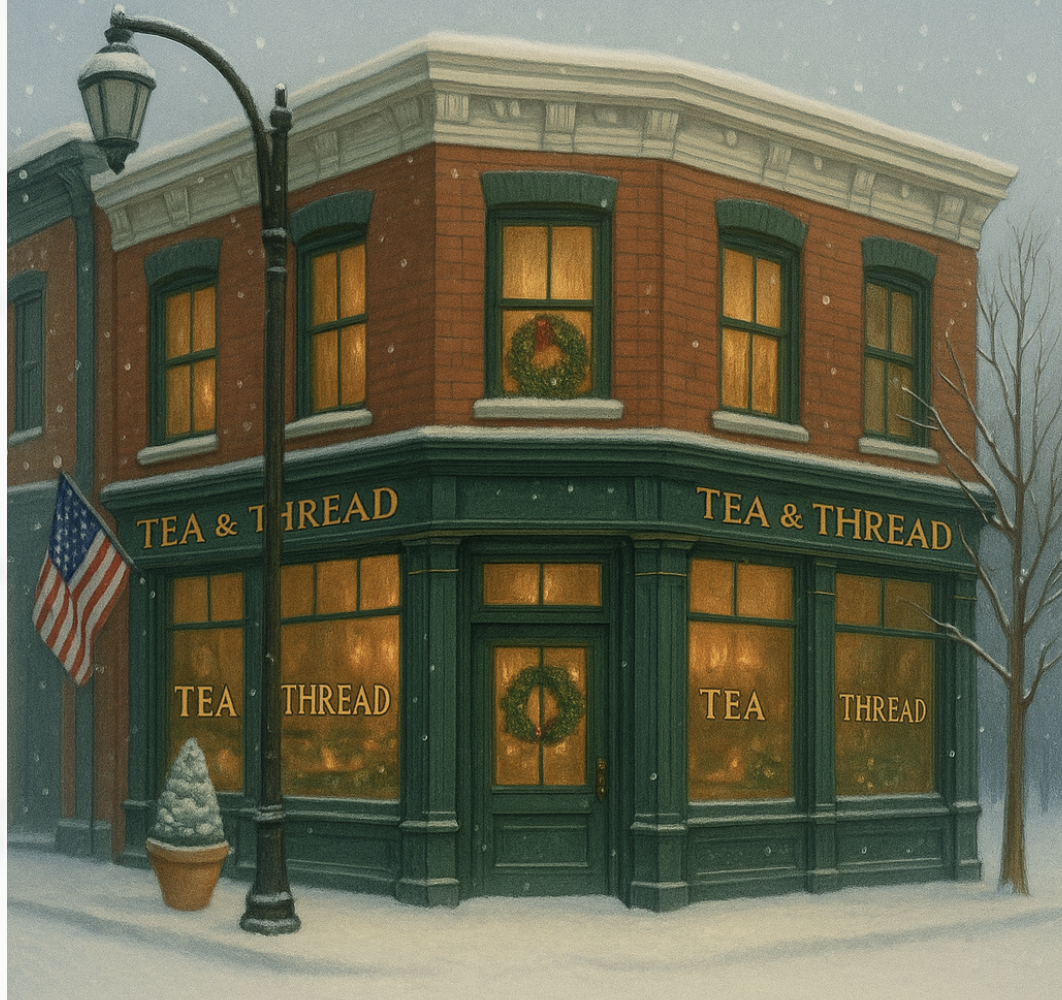
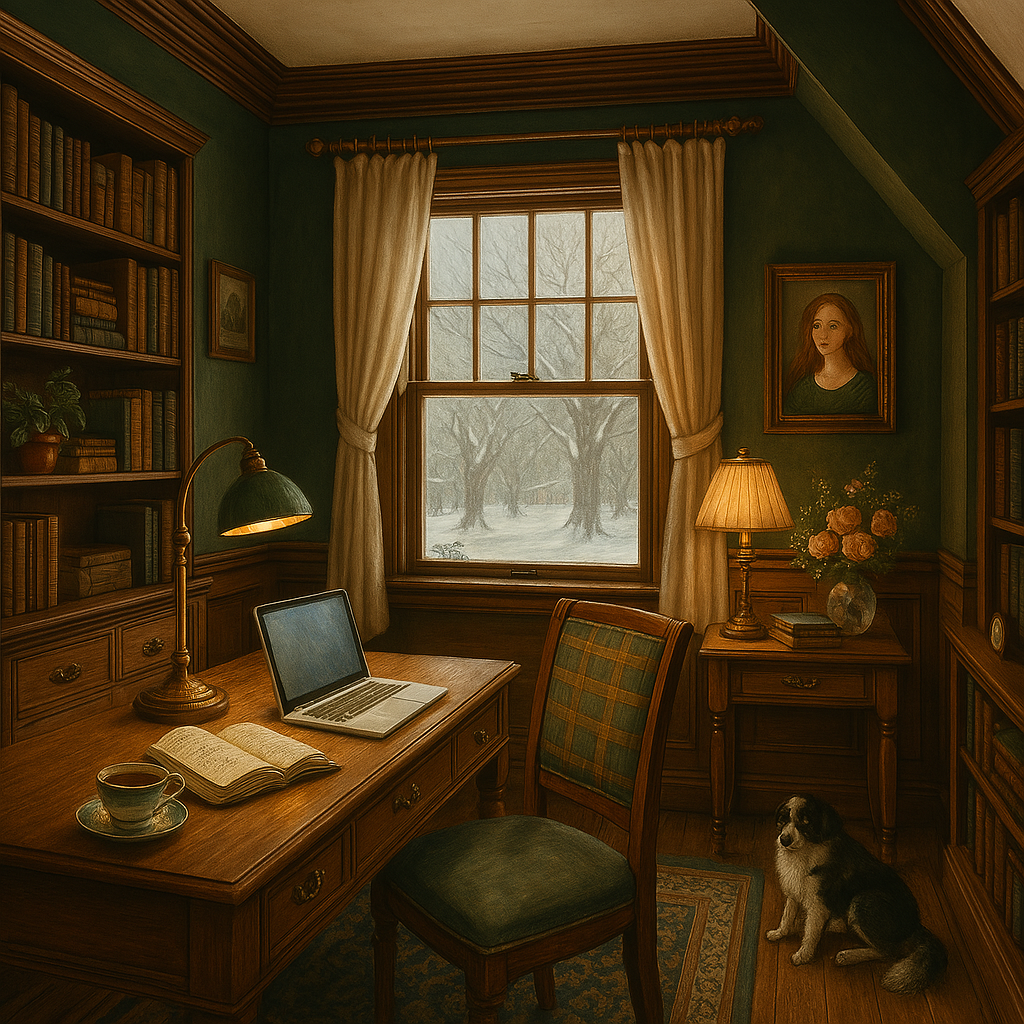
I’ve always been drawn to historic downtowns with creaky wood floors, exposed brick, warm lighting, and the feeling that generations of stories have unfolded within the walls. There’s something sacred about spaces that have been restored instead of discarded. Tea & Thread carries that heartbeat. In the story, the sisters uncover hidden beauty beneath years of neglect: old brick walls, original storefront details, vintage fixtures, and forgotten craftsmanship. In many ways, the building itself mirrors the emotional themes of the series: restoration, healing, and grace woven through broken things.
If you’ve read Emmy’s Story, there’s a good chance you’ve wished you could walk through the doors of Tea & Thread yourself.
Honestly? Me too.
Tea & Thread became far more than a fictional setting while I was writing the Sewn Sisters Series. Somewhere along the way, it stopped feeling like a backdrop and started feeling like a real place, one built from pieces of memory, longing, beauty, community, and the kind of spaces I think many women are quietly craving.
The inspiration behind Tea & Thread came from several different places woven together.
Part of it was my love for old buildings. I’ve always been drawn to historic downtowns with creaky wood floors, exposed brick, warm lighting, and the feeling that generations of stories have unfolded within the walls. There’s something sacred about spaces that have been restored instead of discarded. Tea & Thread carries that heartbeat. In the story, the sisters uncover hidden beauty beneath years of neglect: old brick walls, original storefront details, vintage fixtures, and forgotten craftsmanship. In many ways, the building itself mirrors the emotional themes of the series: restoration, healing, and grace woven through broken things.
Another major inspiration came from the women in my own life. Tea & Thread was born from the kind of friendships and sisterhood that sustain people through hard seasons. Some of the most meaningful discipleship moments I’ve ever experienced did not happen in conference halls or classrooms. They happened around tables. Over warm drinks. During long conversations about marriage, motherhood, grief, faith, exhaustion, and hope.
That atmosphere shaped the soul of the tea shop.
I wanted Tea & Thread to feel like the kind of place where women could exhale. A place where no one needed to pretend they had everything together. A place where someone might cry into their tea one minute and laugh until they can’t breathe the next. A place where Scripture, sewing projects, pastries, exhaustion, prayer requests, and healing could all exist in the same room.
In many ways, Tea & Thread represents what I believe community is supposed to look like: honest, warm, imperfect, welcoming, and deeply relational.
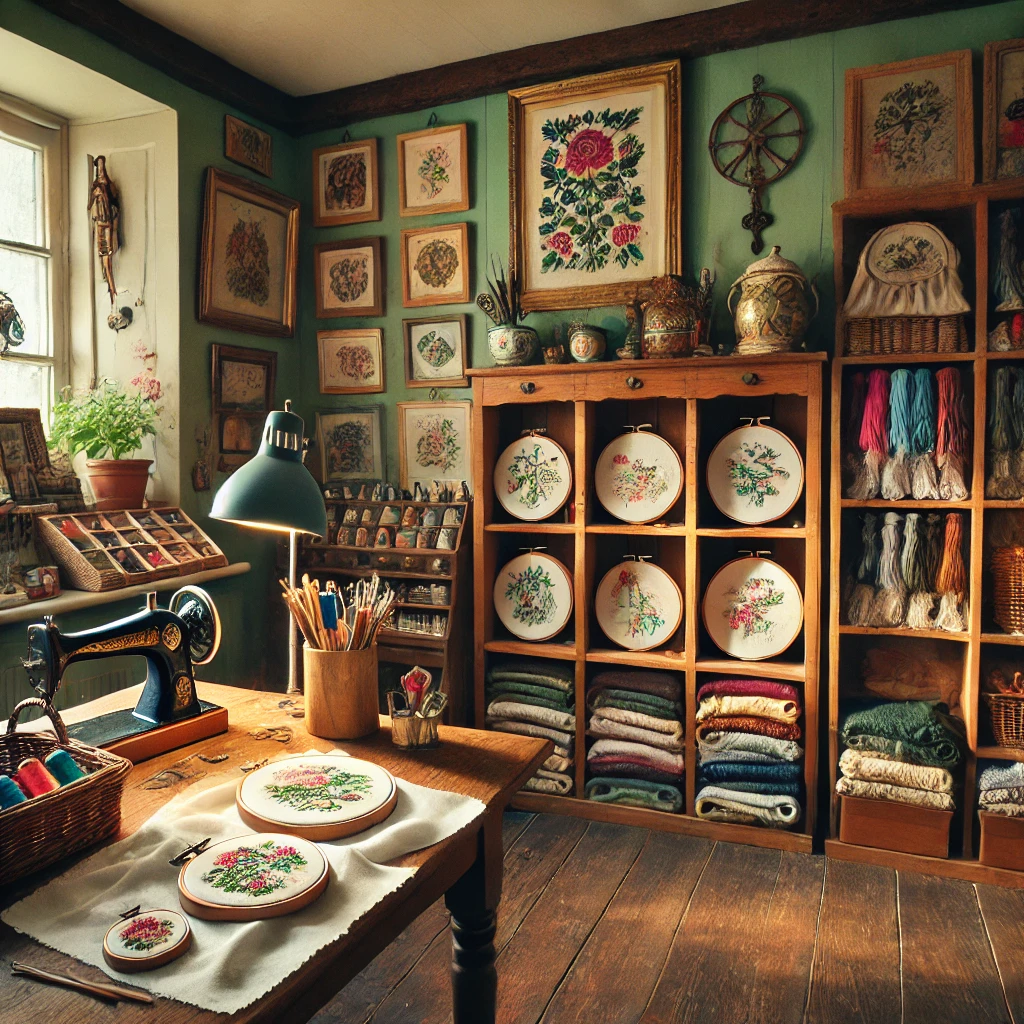
The aesthetic itself was inspired by several things I love deeply: cozy tea houses, historic architecture, quilt shops, English tearooms, small-town cafés, libraries, fireplaces in winter, handmade craftsmanship, old books, layered textures, and slow intentional living. I wanted readers to feel the warmth of the fireplaces. To hear teacups clinking. To smell scones baking in the kitchen. To picture velvet couches, worn wooden tables, yarn baskets, embroidery hoops, stacks of books, and women lingering longer than they planned because they finally feel safe somewhere.
But beyond the beauty, Tea & Thread also became symbolic for me.
The shop is full of women carrying invisible wounds. Emmy is overwhelmed and quietly unraveling beneath the pressure of motherhood, trauma, responsibility, and fear. Claire is learning how to live beyond perfection and performance, while navigating illness. Steph is wrestling with worthiness, exhaustion, and hidden grief. Alex hides vulnerability behind capability and humor.
And yet somehow, together, they create a space that helps other people heal while healing themselves.
I think that’s part of why Tea & Thread resonates with readers.
It isn’t perfect. It’s human. It’s women showing up for each other anyway.
At its core, Tea & Thread is really about this question: What happens when women stop trying to carry life alone?
Maybe that’s the real inspiration behind the shop. Not tea. Not sewing. Not aesthetics. But the deep belief that healing often happens in ordinary places filled with honest people, warm light, and enough grace to stay awhile.
Tea & Thread, Tea and Thread, Sewn Sisters Series, Meg Elizabeth Brown, inspiration behind Tea & Thread, Christian women’s fiction, cozy Christian fiction, faith-filled fiction, women’s fiction series, fictional tea shop, books about sisterhood, Christian small town fiction, tea shop fiction, emotionally rich fiction, Christian fiction author, books about healing and grace, quilting and tea fiction, wholesome women’s fiction, stories about community and healing, women supporting women fiction, faith and friendship fiction, Christian contemporary fiction, cozy bookstore aesthetic, small town tea shop novel, Christian fiction with strong female characters, grace-filled fiction, emotionally grounded fiction, cozy faith fiction, Tea & Thread inspiration, books like Karen Kingsbury, inspirational fiction for women
Why I Wrote Emmy’s Story
Some stories are written because they entertain us.
Others are written because they won’t leave us alone.
Emmy’s Story was the second kind for me.
Some stories are written because they entertain us.
Others are written because they won’t leave us alone.
Emmy’s Story was the second kind for me.
At first glance, Emmy looks like the woman who has it all together. She runs a beautiful tea shop with her sisters-in-law. She’s raising four children. She’s pursuing theological studies. She’s dependable, nurturing, capable, and deeply rooted in her faith. But underneath all of that is a woman quietly carrying more than anyone realizes.
And honestly? I think a lot of women live there.
Who Is Emmy?
I wrote Emmy because I wanted to tell the truth about women who love deeply and serve faithfully, but who are also exhausted, overwhelmed, lonely, and quietly wondering if they’re failing everyone around them. And well? She’s alot like me.
I wanted to write about motherhood without pretending it’s always neat and beautiful.
I wanted to write about adoption and trauma honestly. And that it’s not all rainbows and butterflies. It’s raw. It’s extremely hard at time. But it is also beautiful.
I wanted to write about marriage in the middle seasons, where love is still present but life has become heavy. Where you are both aiming for the same goal of raising a family, but may be missing each other in the process.
I wanted to write about friendship that feels like family. Women who show up for one another without having it all together. Women who love first and give advice next. Women who are just there, even when you may not realize you need them.
And maybe more than anything, I wanted to write about grace.
The title Sewn in Grace came from the idea that our lives are not made from perfect threads. They’re stitched together from joy and grief, beauty and exhaustion, hope and disappointment. Emmy herself embodies that metaphor throughout the novel: a woman learning she was never meant to hold everything together alone, but to become part of a larger tapestry.
The Tea & Thread shop became the perfect setting for that kind of story.
There’s something sacred about women gathered around warm drinks, worn tables, recipes, fabric, prayer requests, and everyday conversations. Some of the holiest moments in my own life have happened around kitchen tables and coffee cups, not stages. I wanted Tea & Thread to feel like that kind of place: warm, imperfect, safe, alive. A place where women could unravel a little and still be loved.
The idea came to me while sitting in a local tea shop with one of my close friends and her daughter. We were sipping our teas, and sharing scones, when the bustle of the shop became like music to me. We watched as several different women worked the floor and behind the counter, and it was magic. I looked at my friend and said, “These women could be book characters.”
Her daughter responded, “They totally could be.”
My friend laughed, and said, “You should write that book.”
I laughed back and said, “I totally could.” Although it was sarcastic at the time, the thought wouldn’t leave my brain. And in a matter of days, I had written out four different outlines for four books in a series. It was like water pouring out of me, like I couldn’t put my laptop down. My husband, Michael, began to worry about me, but he’d seen this before. So, he just graciously would head to bed after kissing my forehead, and leave me to my clickety clack of the keyboard.
Who are the Sisters?
The four Sewn Sisters also carry pieces of stories I think many women will recognize.
Claire represents the woman raised to believe perfection is survival.
Steph carries the weight of responsibility and hidden shame while quietly wondering if she is enough.
Alex hides vulnerability behind honesty, humor, and capability.
And Emmy? Emmy is the woman trying to keep everyone else stitched together while slowly fraying herself.
I think many readers will see themselves somewhere in these women. Their situations and lives are ones that many have lived through. Marriage problems. Heartache. Grief. Abuse. Trauma. But come through with grit. Determination. Endurance. Strength. And kindness.
But beyond all of that, I wrote this story because I believe fiction can disciple hearts in ways nonfiction sometimes cannot. Stories allow us to sit inside someone else’s pain.
They let us feel seen.
They soften us.
They remind us we are not alone.
In a world that often rewards polished appearances and curated lives, I wanted to write women who feel real. Women who wrestle with faith, identity, motherhood, grief, trauma, shame, and community. Women who are learning that healing rarely happens in isolation.
At its core, Emmy’s Story is not really about tea or quilting or small-town life. It’s about what happens when grace enters the places we try hardest to hide. And maybe, in some small way, I wrote it because I needed that reminder too.
Emmy’s Story, Sewn Sisters Series, Meg Elizabeth Brown, Christian women’s fiction, faith-based fiction, women’s fiction about motherhood, Christian fiction about healing, adoption and trauma in fiction, grace-filled fiction, cozy Christian fiction, Tea and Thread, books about sisterhood, emotionally rich Christian fiction, Christian fiction for women, stories about grace and healing, faith and motherhood fiction, Christian contemporary fiction, small town Christian fiction, books like Karen Kingsbury, women’s discipleship through fiction